I nearly turned back on day two of the Stubai High Trail. The forecast had promised scattered clouds; reality delivered sideways rain at 2,600 meters. My waterproof jacket stopped being waterproof somewhere around hour three. When I finally stumbled into the Dresdner Hütte, soaked and questioning my life choices, the hut warden handed me hot tea without being asked.
That's when I understood Austrian mountain culture. The Alps don't accommodate your expectations — and the infrastructure built around them acknowledges this with genuine hospitality.
The Mountain Hut System: Austria's Hidden Treasure
Austria's network of alpine huts, primarily operated by the Austrian Alpine Club (ÖAV) , transforms multi-day trekking from an expedition into something achievable. You don't need to carry a tent, cooking gear, or days of food. The huts provide beds, hot meals, and — crucially — local knowledge about trail conditions.
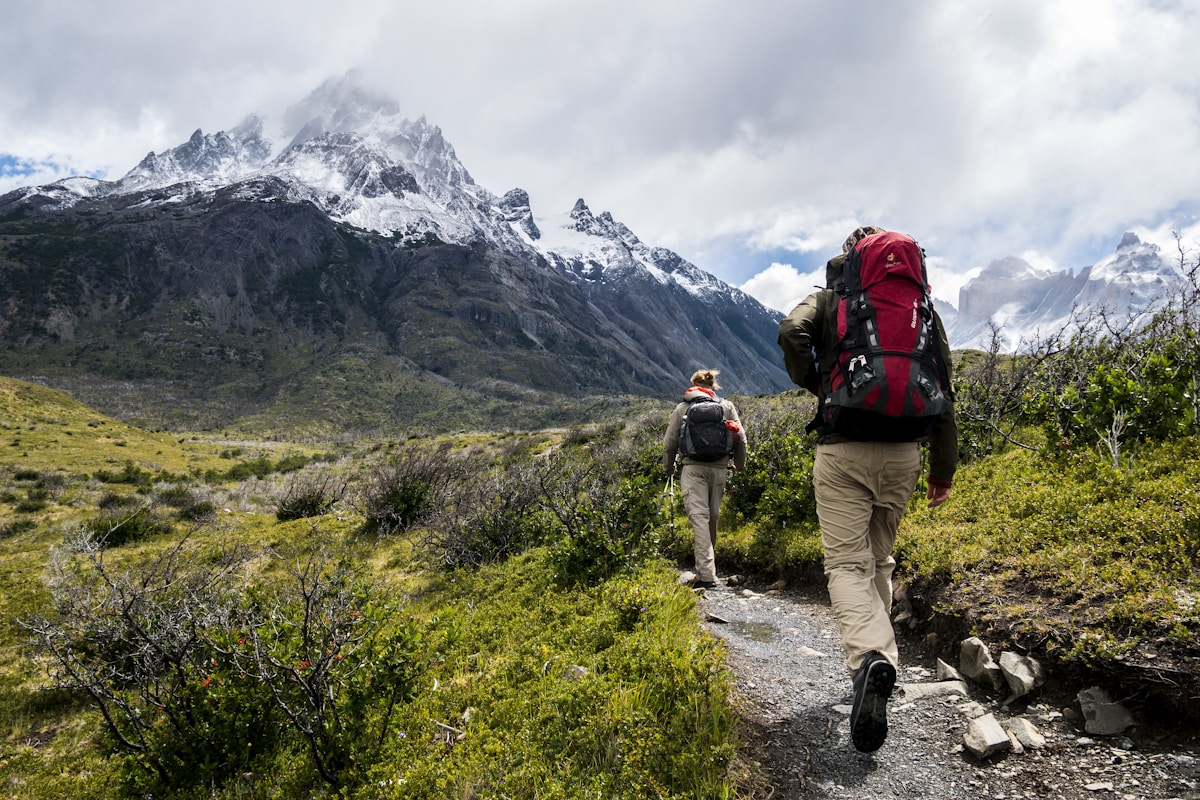
What surprised me: the social aspect. Huts operate communally. You share tables for dinner, swap stories about the day's trail, and learn about routes you hadn't considered. A retired couple from Munich once redirected my entire Stubai itinerary based on a storm system they'd watched developing. They were right — the next day brought lightning over my original destination.
Hut Etiquette Worth Knowing
- Book ahead in July-August. Popular huts fill up, and arriving without a reservation means sleeping in emergency space (if available) at premium prices.
- Bring a sleep liner — blankets are provided, sheets often aren't.
- Arrive before 6 PM when possible. Dinner is served at a fixed time, and late arrivals eat whatever remains.
- Cash matters — card readers exist but don't always work above 2,000 meters.
Three Routes That Changed How I See Mountains
The Stubai High Trail (Stubaier Höhenweg)
Seven to nine days. Eight huts. Roughly 80 kilometers through what the Stubai Valley tourism board calls "one of the most beautiful high-altitude routes in the Alps." For once, the marketing doesn't oversell.
The route loops around glaciated peaks, crossing passes above 2,800 meters. You'll see ibex grazing on impossibly steep slopes, negotiate permanent snowfields in July, and wake up to sunrises that make alarm clocks irrelevant.
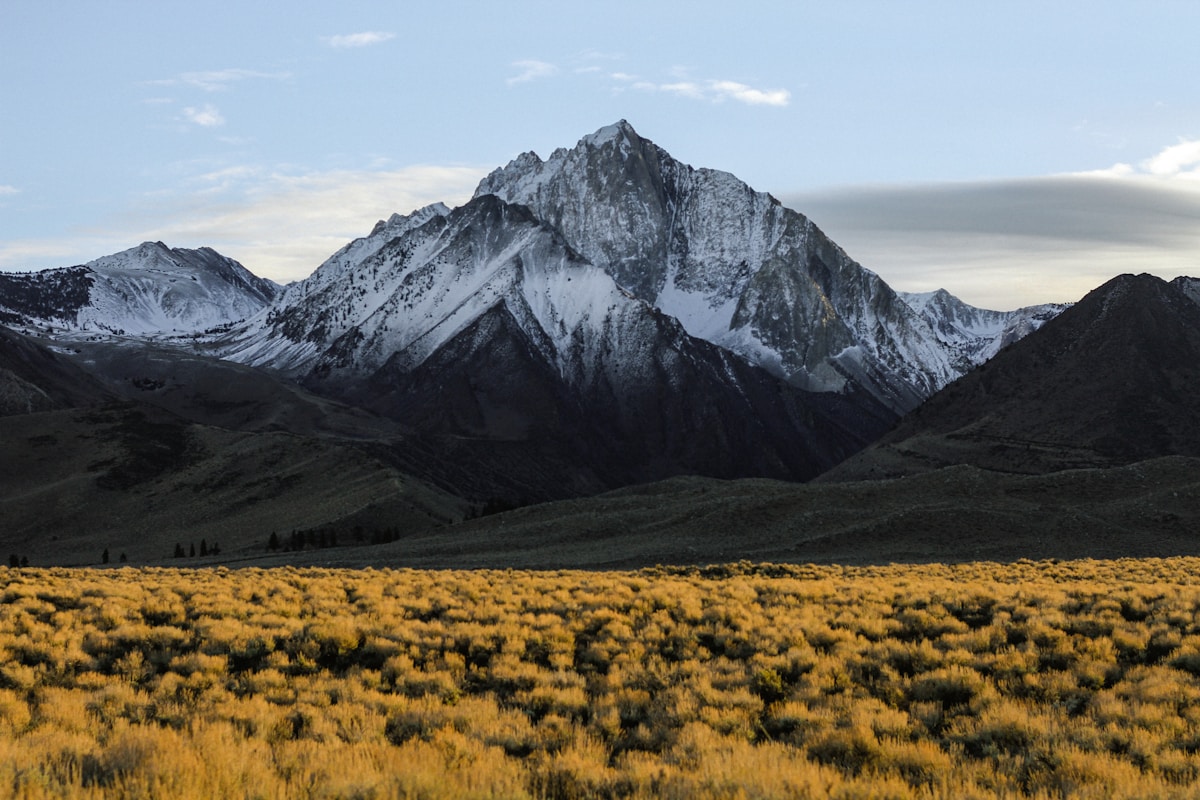
Difficulty is real. Several sections are rated "black" (most difficult) on Austrian trails scales. You'll encounter exposed ridges, fixed steel cables (via ferrata style), and sections where a slip means serious consequences. Bring trekking poles, wear proper boots, and don't attempt this without previous alpine experience.
"The mountain doesn't know you're on vacation. It doesn't care about your flight home. Plan for weather days, and accept that conditions dictate schedule."
The Eagle Walk (Adlerweg) — Tyrol Section
Austria's longest marked trail — 413 kilometers across Tyrol — but you don't need to do it all. The section from St. Johann in Tirol to the Wilder Kaiser range delivers concentrated beauty in 4-5 days.
What makes it special: variety. You'll walk through alpine meadows thick with wildflowers, traverse limestone karst landscapes, and gain views of the distinctive Wilder Kaiser peaks that dominate postcards of the region.
The Zillertal Circuit (Berliner Höhenweg)
Eight days around the Zillertal Alps. Less famous than Stubai, equally spectacular, and noticeably quieter. The Zillertal draws more serious mountaineers, which means fewer casual hikers on connecting routes.
The glacier views here feel more immediate — you'll walk alongside ice that's visibly retreating each year. It's beautiful and sobering simultaneously.
What I Wish I'd Known Earlier
Fitness Preparation
Austrian trails are graded honestly, and "moderate" means something different at 2,500 meters than at sea level. Before my first multi-day route, I trained with weighted packs on inclines. It wasn't enough. The thin air and continuous daily elevation (often 800+ meters up and down) compounds fatigue differently than gym preparation suggests.
My recommendation: if possible, spend two days at moderate altitude before starting. Innsbruck sits at 574 meters; the day hikes around town help acclimatization.
Essential Gear
- Boots: Stiff soles, ankle support, already broken in. Austrian terrain includes scree, rock, and grass slopes where flexible shoes become liability.
- Poles: Not optional. Descents over 1,000 meters destroy knees without them.
- Layers: Weather shifts within hours. I carry baselayer, fleece, hardshell — even in August.
- Headlamp: Huts have limited power. Navigating dormitories at 5 AM requires personal light.
When to Go
Late July through mid-September offers the most reliable conditions. Earlier, snowfields may require crampons; later, huts begin closing for season. September brings fewer crowds and stable weather, but shorter days limit daily distance.
The Moment That Stays With Me
Day five on the Stubai trail. I'd pushed through rain the previous day, arrived at Franz-Senn-Hütte exhausted and cold. Morning brought clear skies. I woke before dawn, climbed a small ridge behind the hut, and watched the sun turn the Alpeiner Glacier from gray to gold to blinding white.
No other hikers around. Just peaks, silence, and light that made everything I'd struggled through feel worthwhile. That's what draws me back to these mountains.
Planning Your First Alpine Trek?
I can share route files, hut recommendations, and honest assessments of difficulty levels.
Ask Me Anything